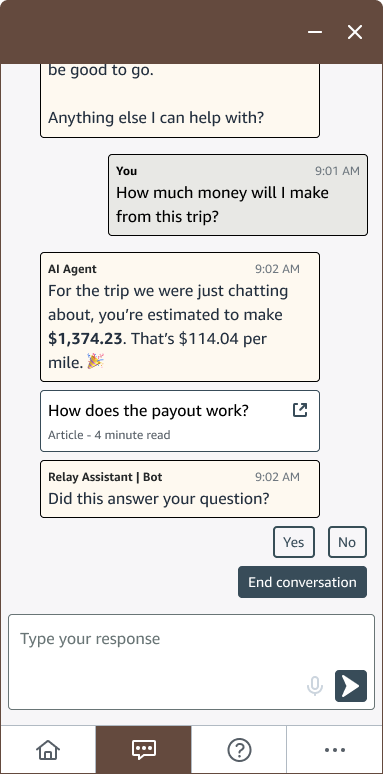
Amazon Transportation AI Guidance
Amazon operates one of the largest logistics networks in the world. Workflows are highly time sensitive, requiring operators to make fast, accurate decisions in real time. As new capabilities such as AI introduce additional layers of complexity, the need for clear, consistent, and actionable system guidance becomes critical to maintaining efficiency at scale.
Context
As AI capabilities expanded across transportation products, teams needed clearer guidance for how AI should behave, appear, and support customers across complex operational workflows. Without a shared framework, teams were building patterns that were inconsistent, fragmented, and business requirement driven which would be hard to scale in the future and lead to untrustworthy experiences across this part of the company.


The Opportunity
AI guidance was being introduced inconsistently across products, with no unified system defining how and when AI could assist customers.
Behaviors quickly became inconsistent across workflows, there was a lack of clarity around when AI should guide vs. stay passive, there were fragmented interaction patterns, and a risk of reduced trust in a high-stakes operational environment was on our horizon.
The deeper issue was that there wasn’t a framework on how to integrate AI into a complex table based workflow in a way that supported clarity, trust, and decision making.
Behaviors quickly became inconsistent across workflows, there was a lack of clarity around when AI should guide vs. stay passive, there were fragmented interaction patterns, and a risk of reduced trust in a high-stakes operational environment was on our horizon.
The deeper issue was that there wasn’t a framework on how to integrate AI into a complex table based workflow in a way that supported clarity, trust, and decision making.
The Goal
Build a shared system for how AI guidance defines how the agent should behave, interact, and support customers across transportation workflows to ensure consistency, clarity, and scalability amongst teams.
System Needs
1. Guidance Roles - Defined clear roles for how AI supports customers, including prompting, recommending, summarizing, and assisting with steps.
2. Interaction Patterns - Established reusable patterns for how AI appears and behaves within workflows, ensuring consistency across use cases.
3. Workflow Integration - Positioned AI guidance within task flows, ensuring assistance appears at the right moment without interrupting or overwhelming customers.
4. Trust and Clarity - Defined principles to ensure AI outputs are understandable, actionable, and appropriately framed for operational contexts.
The Solution
Defined a system of AI guidance principles, interaction patterns, and behavioral roles that help teams design AI-assisted experiences within complex transportation workflows. Rather than treating AI as a standalone feature, the system integrates guidance into the flow of the work by clarifying when AI should recommend, prompt, summarize, or remain passive.
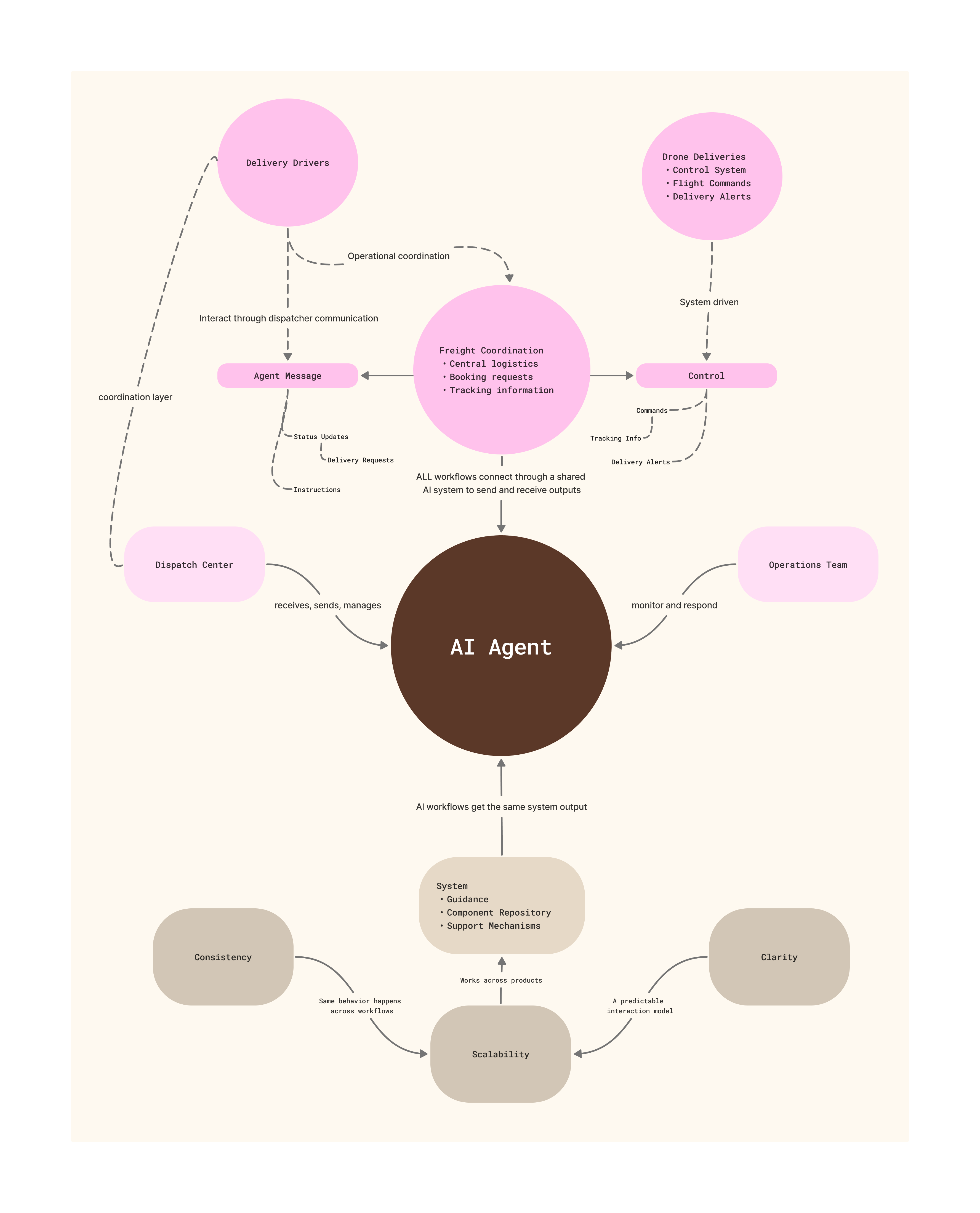
Components, Patterns, and Guidance
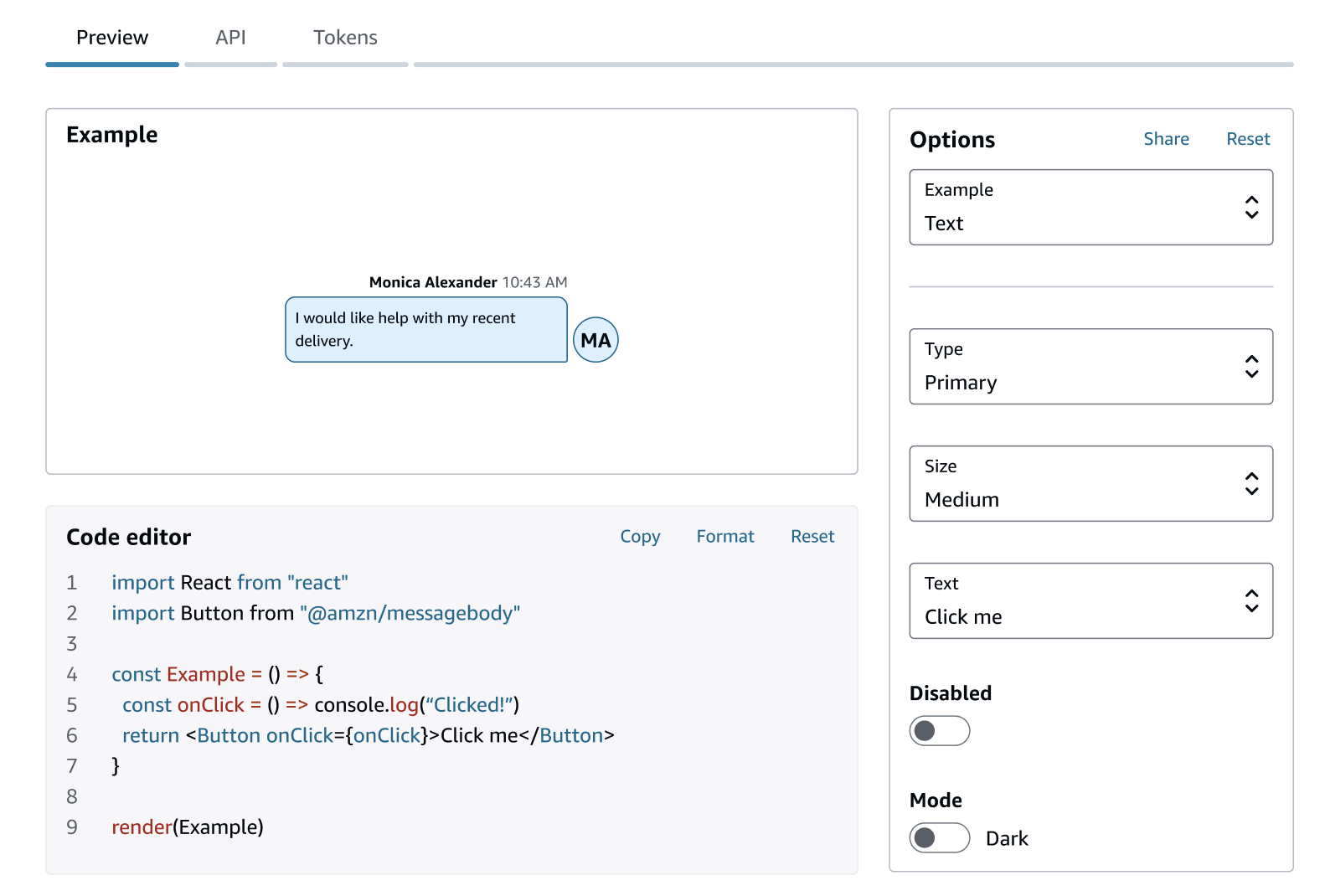
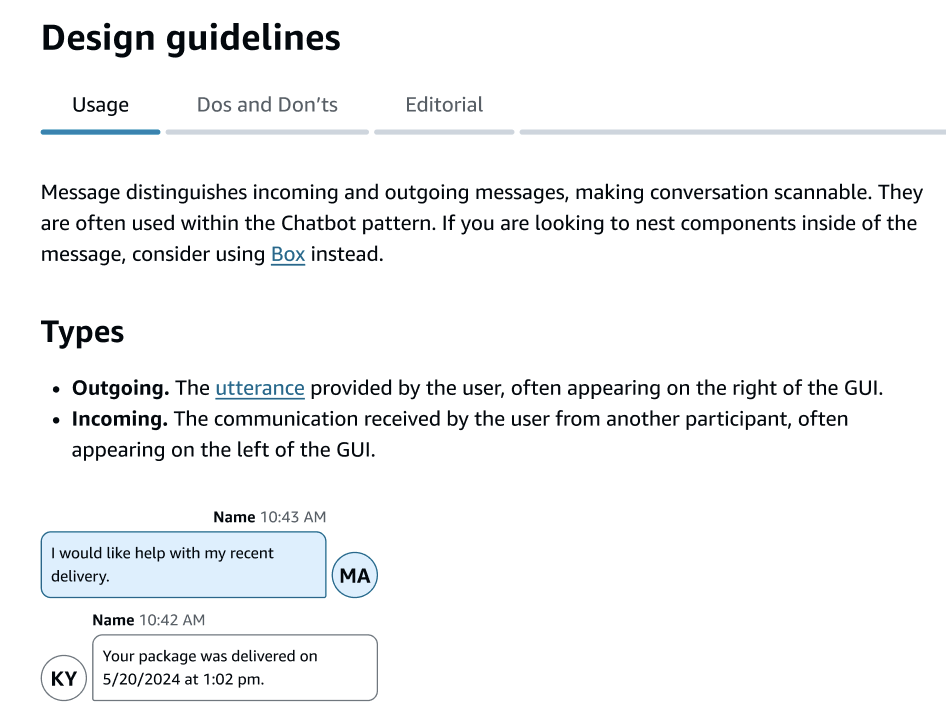
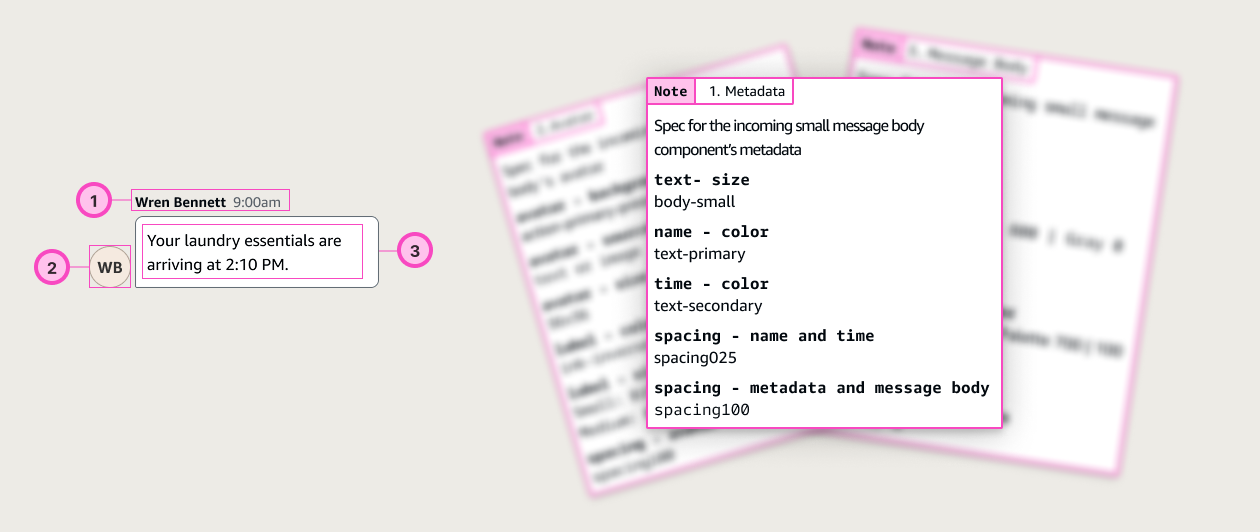
Messages follow a consistent pattern with a clear label (what this is), a concise explanation (what’s happening), and a direct action (what to do), ensuring that every interaction is immediately actionable. The system establishes tone guidelines that prioritize clarity and brevity over conversational language, avoiding ambiguity while still feeling supportive. It also defines different message types such as informational, warning, and critical, each with distinct visual treatments and behaviors based on urgency. Layout and component rules ensure messages adapt across responsive views, while accessibility standards maintain readability and contrast in all conditions. Additionally, the system includes do’s and don’ts for content, interaction states (like loading, success, and error), and escalation patterns for time-sensitive scenarios.
Challenges
Aligning teams around a shared approach to AI guidance, especially at the rate it was emerging, means we had to be both flexible and consistent. We had to ensure that the system could support complex workflows without limiting innovation. Each component had to provide value to the brand, interactions, and screen sizes.
Outcomes
The guidance provided a shared foundation for designing AI-assisted experiences across transportation products, enabling greater consistency, scalability, and clarity in how AI is introduced into workflows. This effort moved isolated teams into a more structured, system-driven approach to AI guidance.